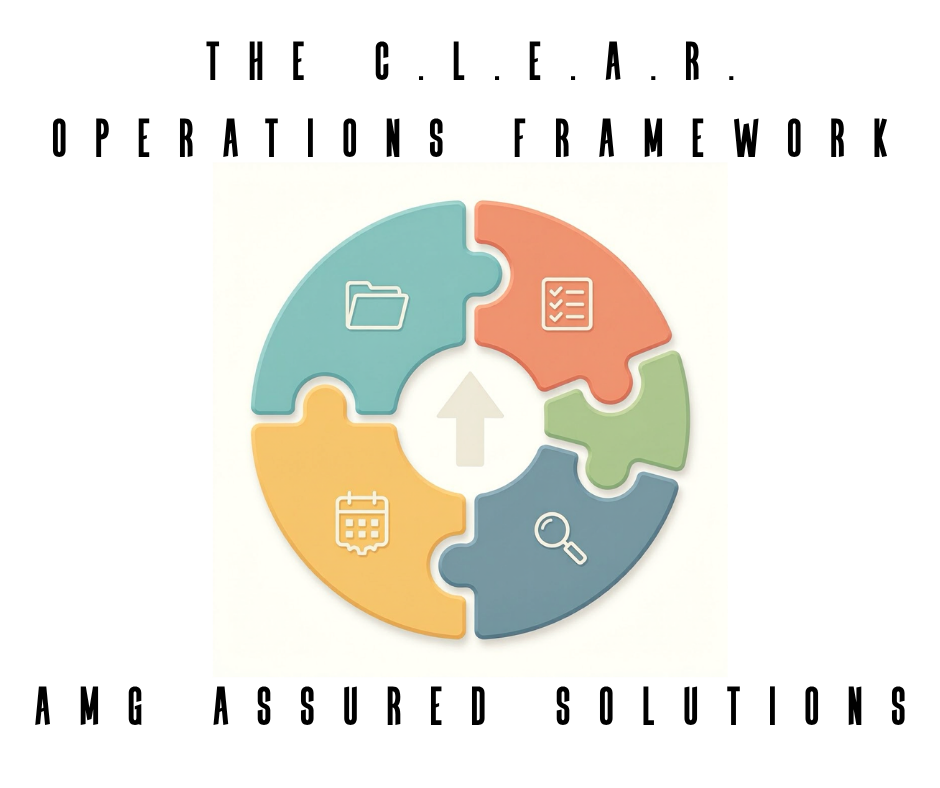
Why Most Small Businesses Feel Chaotic (And the Simple Framework That Fixes It)
Struggling to keep your small business organized? Discover the CLEAR framework -a simple 5-step system to structure operations and reduce chaos.

The Most Popular AI Platforms in 2026 (And 5 New Ones To Watch)
The Most Popular AI Platforms in 2026 (And 5 New AI Tools Worth Following)
The AI industry is evolving fast - new large language models, AI chatbots, and AI agents are reshaping how businesses and consumers work every month.
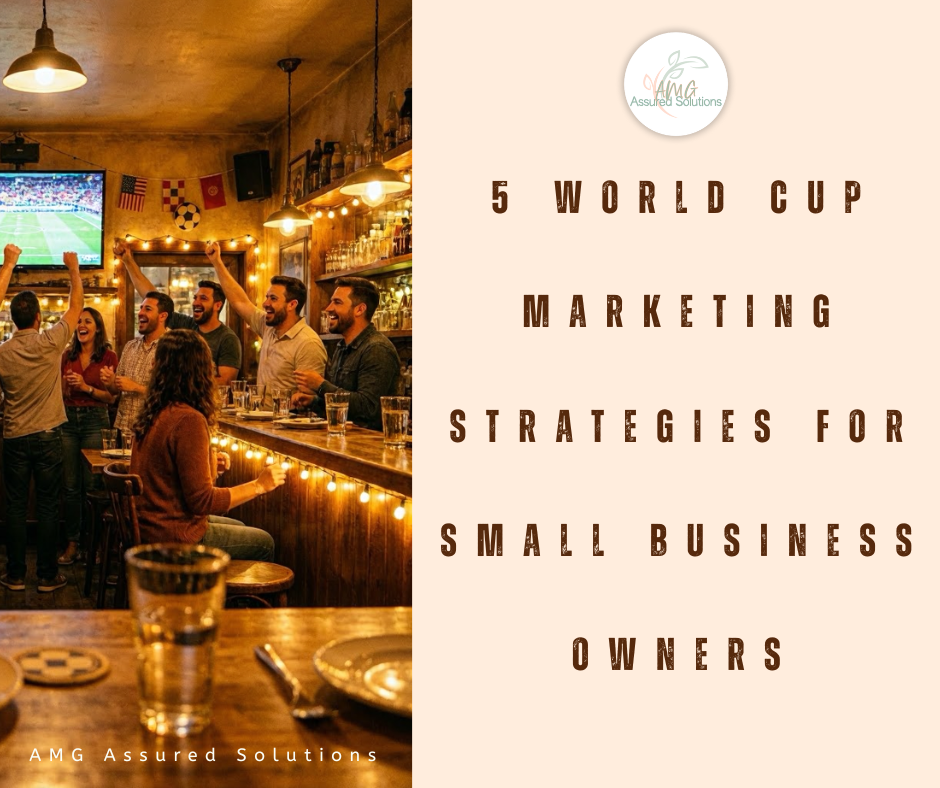
How Small Businesses Can Win Big During the World Cup (Without an Official Sponsorship)
How Small Businesses Can Win Big During the World Cup
Discover 5 practical, low-cost marketing strategies small businesses can use to capitalize on World Cup buzz—no sponsorship budget required.

The Content Calendar Strategy That Turns Posting Into a System
How to Build a Content Calendar and Content Strategy That Works
Most brands don't have a content problem — they have a content strategy problem.
Posting when inspiration strikes, then going quiet for two weeks, isn't a strategy. It's guesswork. And guesswork doesn't grow engagement.
Content Calendar vs. Content Strategy
A content calendar organizes when you post. A content strategy defines why — your audience, your content pillars, your goals, and how content turns into results.
One without the other doesn't work. A calendar with no strategy is just a spreadsheet. A strategy with no calendar never gets executed.
Build a System, Not a Habit
A strong content calendar and strategy:
→ Replaces daily guessing with a clear content schedule → Organizes content around pillars instead of random ideas → Creates a repeatable content marketing workflow you can track and improve
If you're stuck figuring out your content calendar template, social media planning, or content strategy framework — that's exactly where I can help.
Consistency compounds. Strategy is how you get there.
Ready to build yours? Let's talk.
How AI Can Be Used For Data Analysis By Small Businesses
In today's fast-moving digital landscape, data is everywhere, but raw data alone isn’t enough.
What truly drives results is turning that data into actionable intelligence. Thanks to advancements in AI, small businesses now have access to powerful tools that can analyze, interpret, and help them act on data in ways that were once only possible for large corporations.
What Does Your Brand Stand For? Why Is It Important?
Having a strategic brand offers powerful benefits that go far beyond just a logo or color scheme. A strong, intentional brand creates consistency, builds trust, and fuels long-term business growth.

Why Marketing Matters
In today’s competitive landscape, marketing isn’t optional; it’s essential. Utilizing smart, intentional marketing strategies helps small businesses and service providers build visibility, attract ideal clients, and grow sustainably. It’s not just about being seen, it’s about being seen by the right people, with the right message, at the right time.
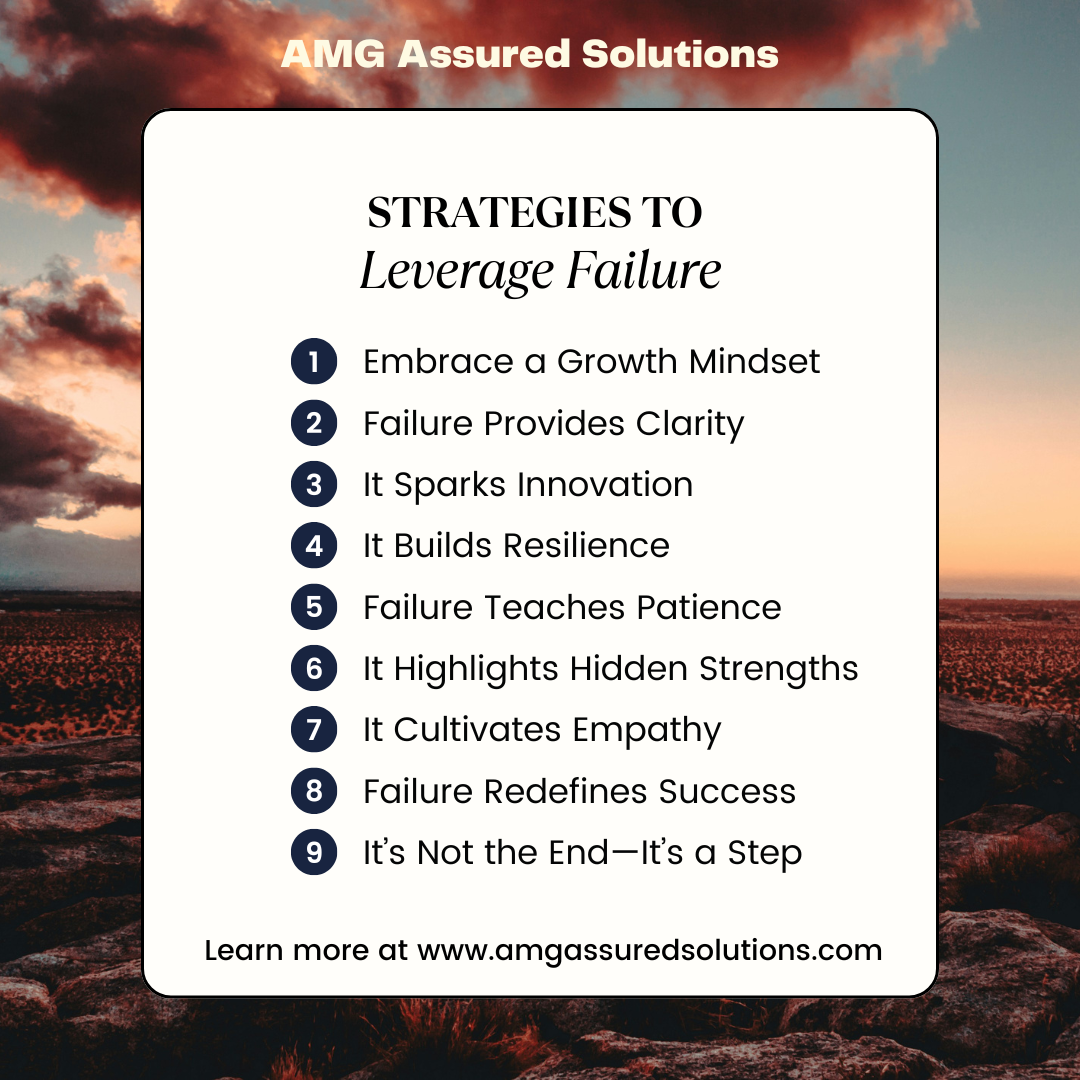
What is Failure?
Rather than a definitive end, failure serves as a powerful teacher, revealing gaps in knowledge, uncovering hidden strengths, and providing a roadmap for growth. It offers valuable insights that build resilience, foster creativity, and challenge you to step out of your comfort zone. By reframing 'failure' as a stepping stone, you can transform setbacks into opportunities for learning and progress. Analyzing what went wrong, learning from mistakes, and making adjustments can turn failure into a catalyst for improvement and innovation.
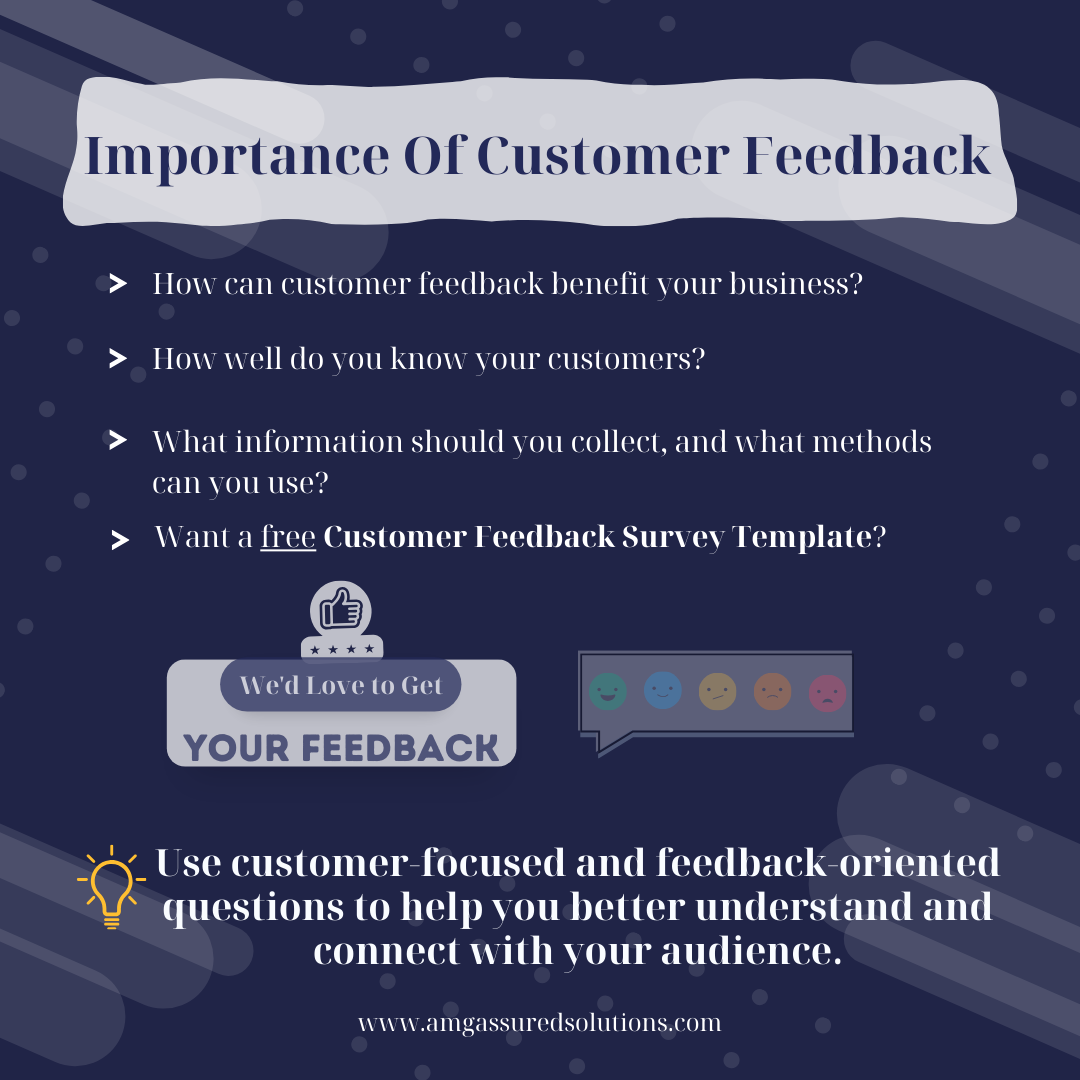
Importance Of Customer Feedback
For small businesses, being responsive to customer feedback can be a key differentiator and a tool for long-term success. Use customer-focused and feedback-oriented questions to help you better understand and connect with your audience.
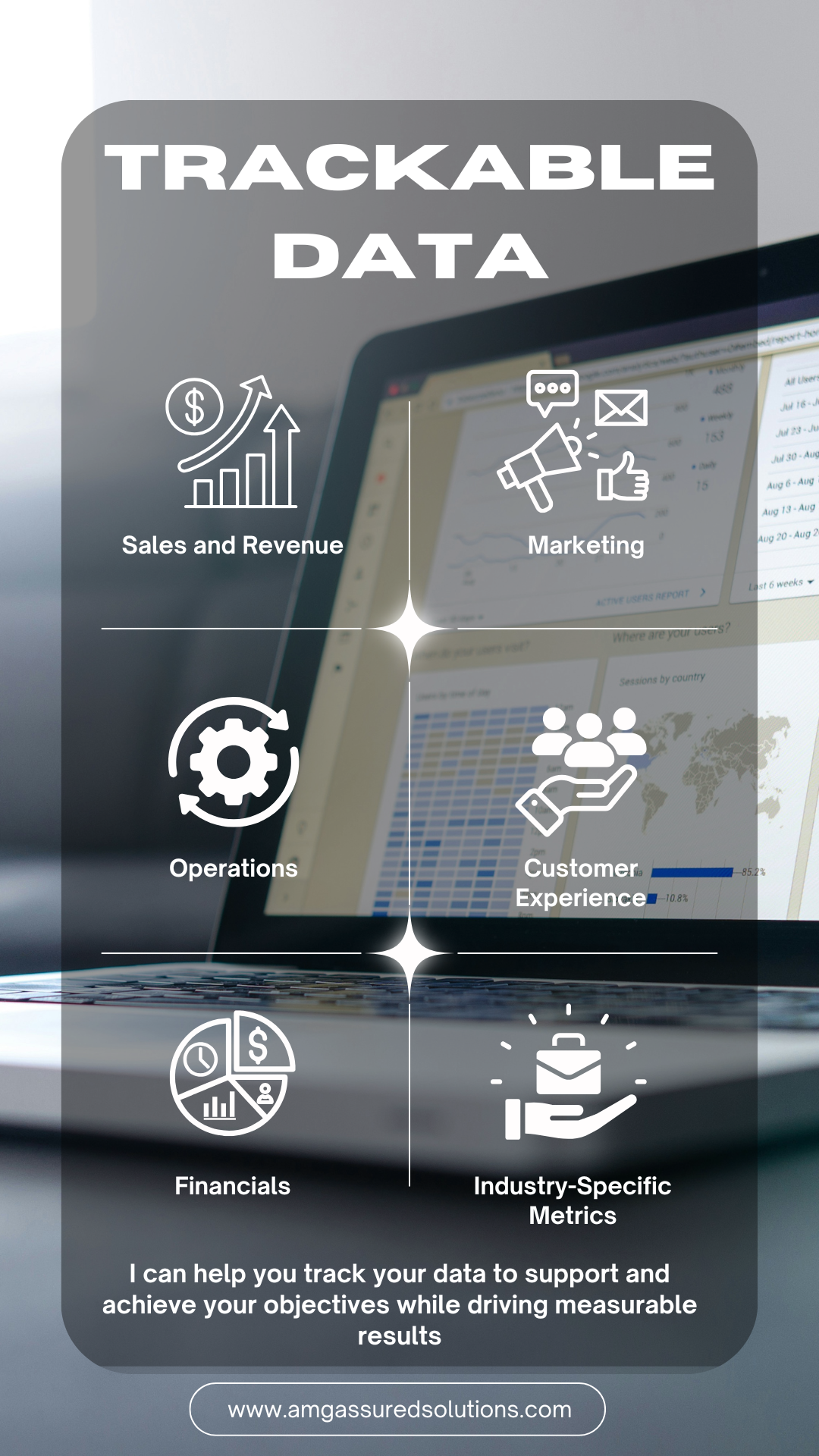
Trackable Data
Tracking data is crucial for small businesses to understand their performance, optimize operations, and make informed decisions.
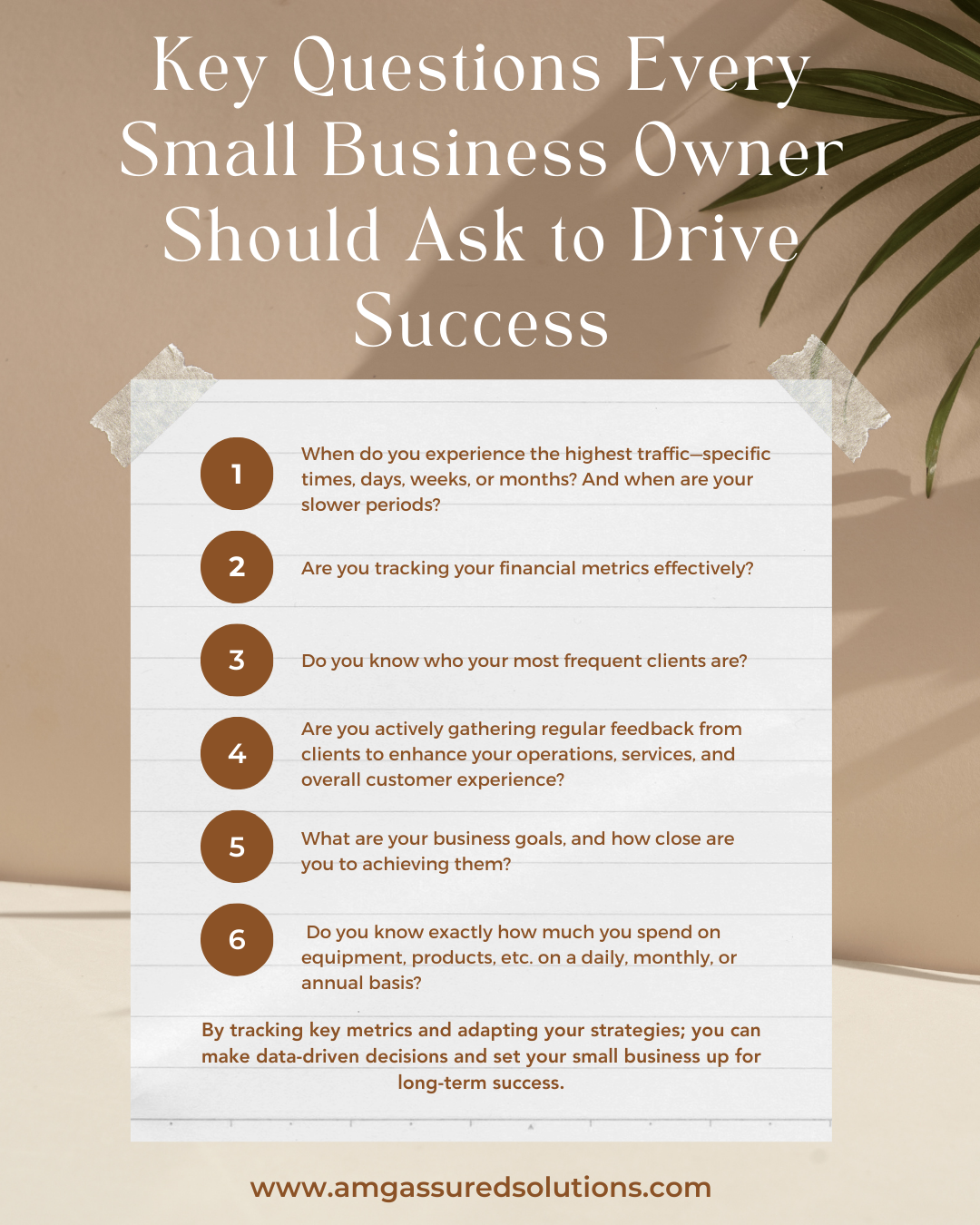
Key Questions Every Small Business Owner Should Ask to Drive Success
Tracking various aspects of your business provides actionable insights to refine your strategies, enhance customer experience, and achieve sustained growth.
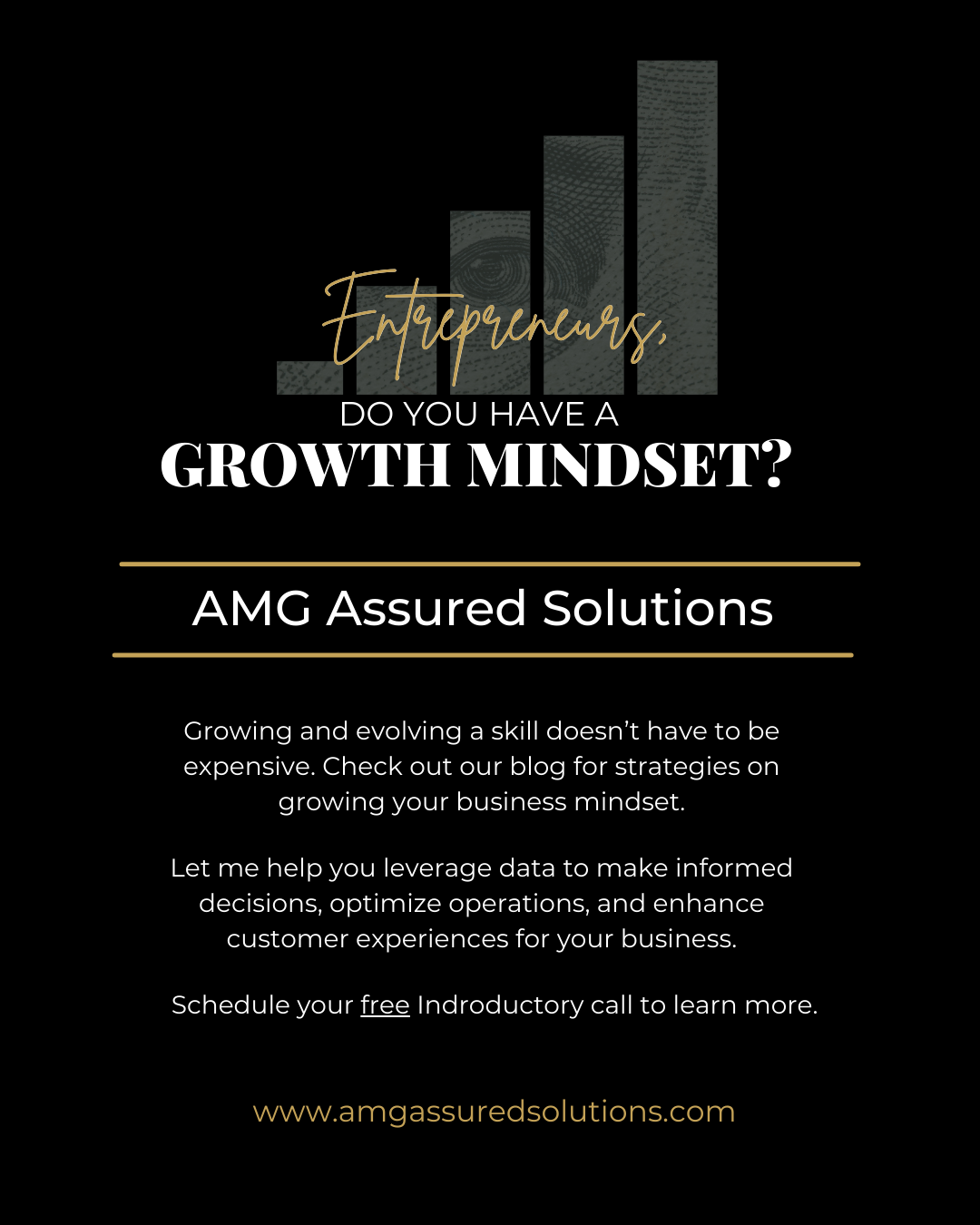
Growth Mindset
One of the few things you have complete control over is your actions. Embrace every opportunity to grow, improve, and strive for excellence. Create a culture of continuous improvement. Identify what you should focus on and allow for objective measurement of success.
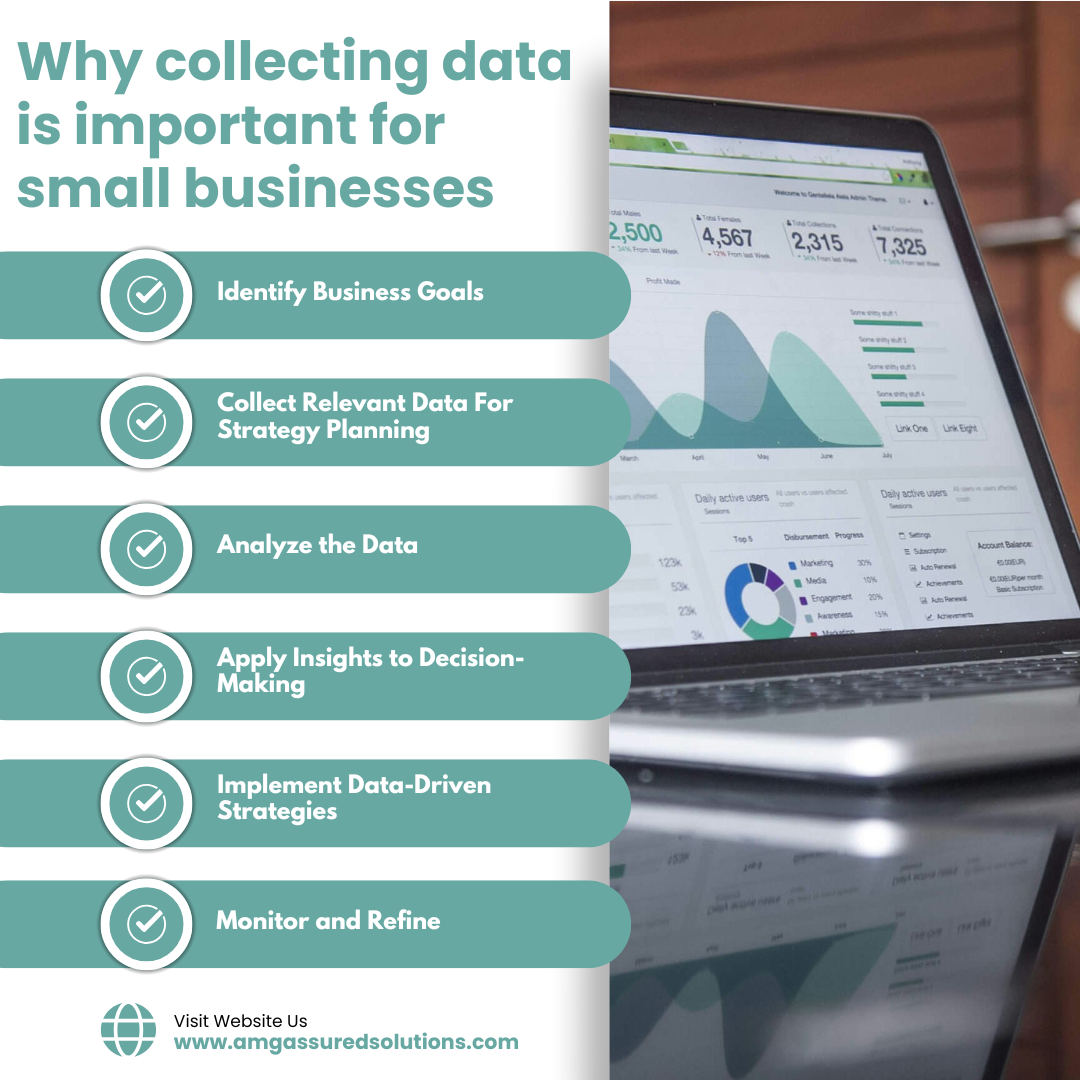
Why Collecting Data Is Important For Small Businesses
Collecting data lets you leverage insights to make informed decisions, optimize operations, identify strengths and weaknesses, align business goals, predict trends and outcomes, enhance efficiency, and enhance customer experiences
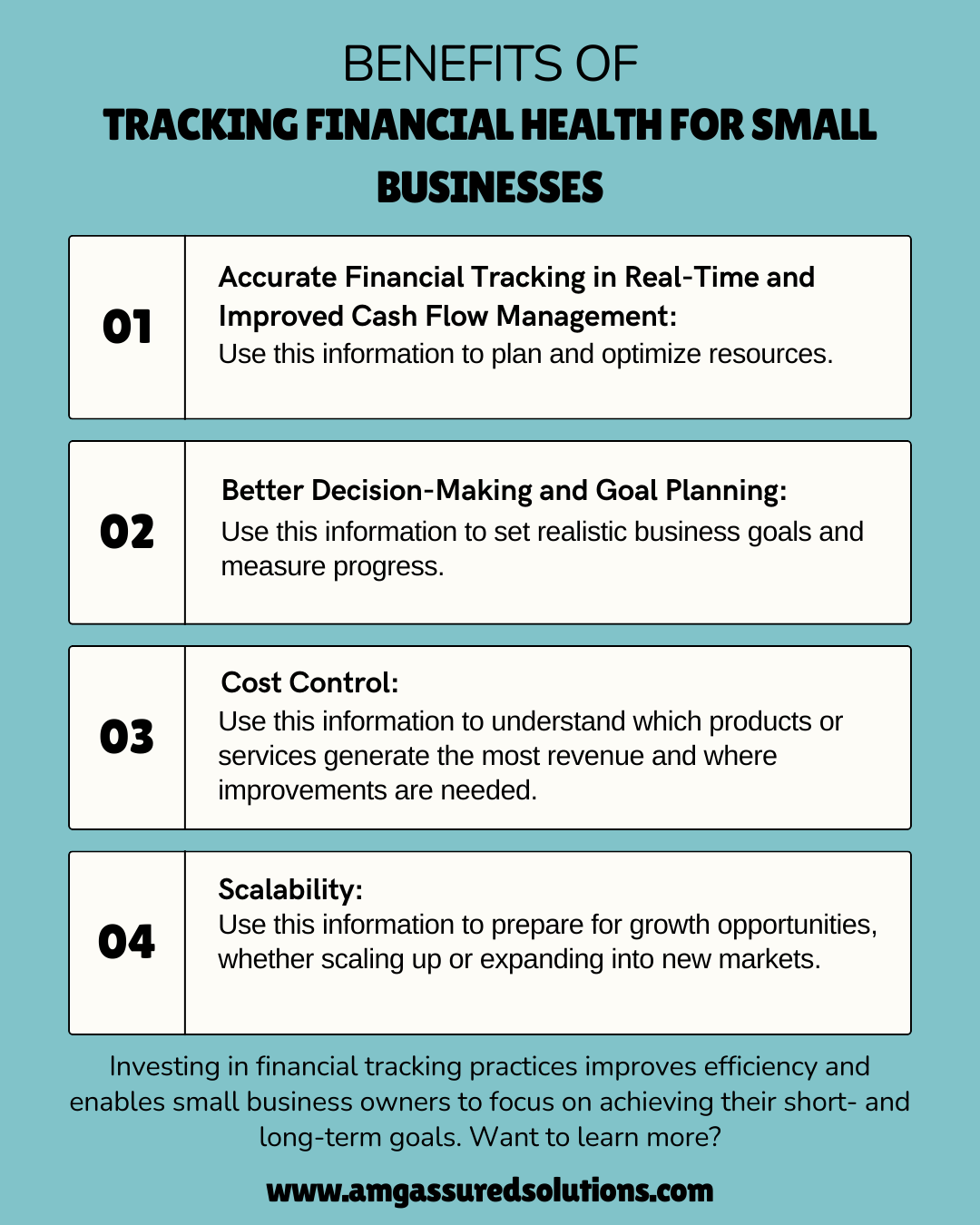
Benefits Of Tracking Financial Health For Small Businesses
Tracking your business’s financial progress is essential for small businesses and provides you with a foundation to optimize efficiency and make informed business decisions.